
About Behind the Tea Fields

Hello and welcome! I’m Rina.
Thank you so much for being here.
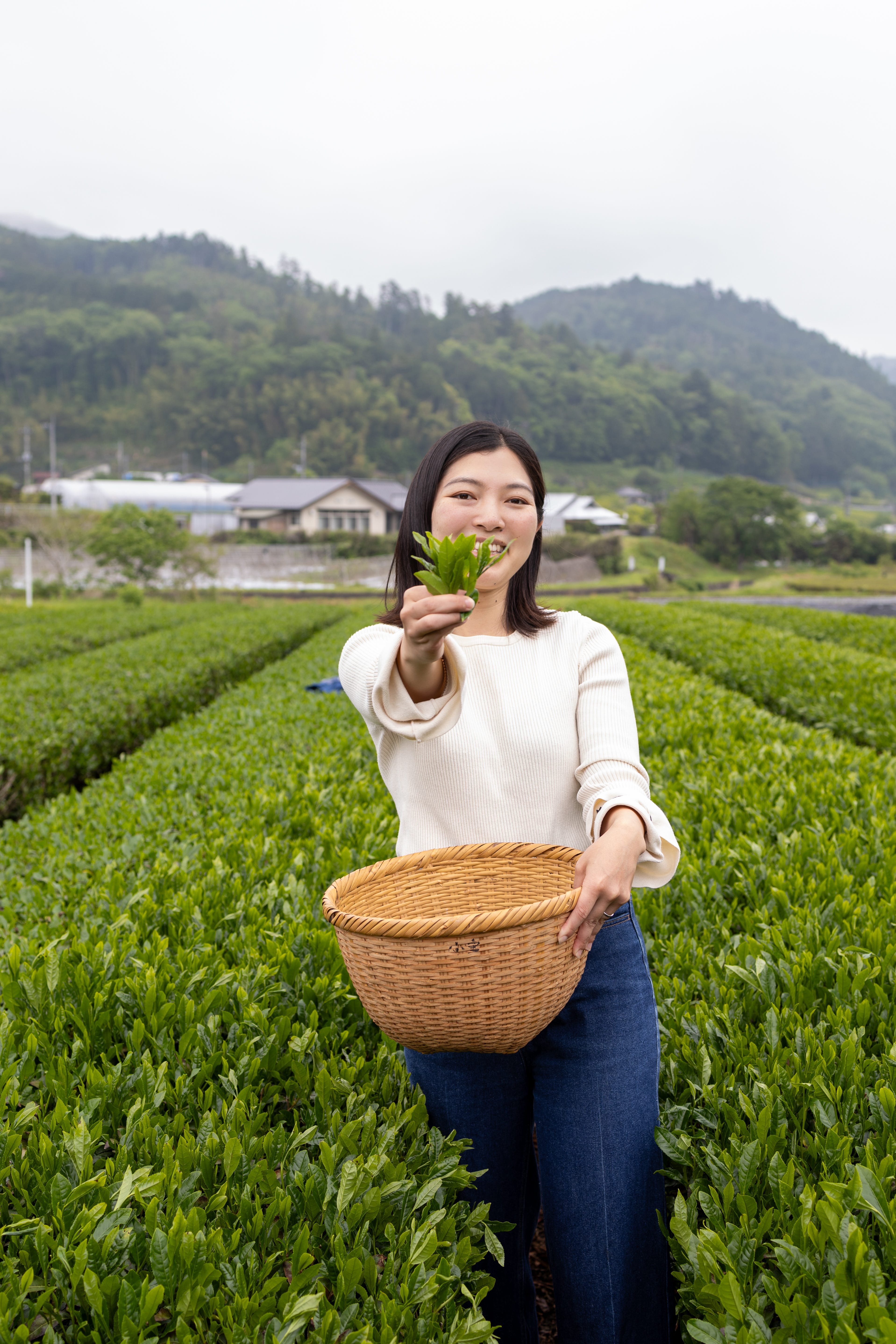
I’d love for this space to feel like a letter from a friend living in the Japanese countryside; sharing stories, struggles, small discoveries, and moments that might otherwise quietly disappear.
A little over a year ago, I left my dream job at one of Japan’s biggest advertising agencies and moved to rural Ibaraki to start building a small business called Hitamichi.
Growing up between Japan and overseas, I always loved sharing Japanese culture with people around me. But the older I got, the more I realised that many of the traditions, crafts, and communities I loved were slowly fading away.
Tea farmers are aging.
Small artisans struggle to find successors.
Rural towns grow quieter every year.
At the same time, I kept meeting people around the world who deeply cared about Japan and wanted to experience something beyond what guidebooks and social media usually show.
So somewhere along the way, I started feeling this strong urge to document the people and places I was encountering before they disappeared quietly.
What is Hitamichi?
The name Hitamichi comes from “Hitachi no Kuni,” the old name for the region of Ibaraki where I now live and work.
“Michi” means “path” in Japanese, and through Hitamichi, I hope our paths can intersect with the people, traditions, and everyday life of rural Ibaraki.
Hitamichi is a cultural travel project and tour company rooted in the Japanese countryside. Through tea, craftsmanship, food, local communities, and immersive cultural experiences, I’m slowly trying to create more meaningful ways for people to experience Japan beyond the typical tourist route.
Many of the people I now work with have dedicated their entire lives to preserving traditions that are becoming harder to continue with each passing generation.
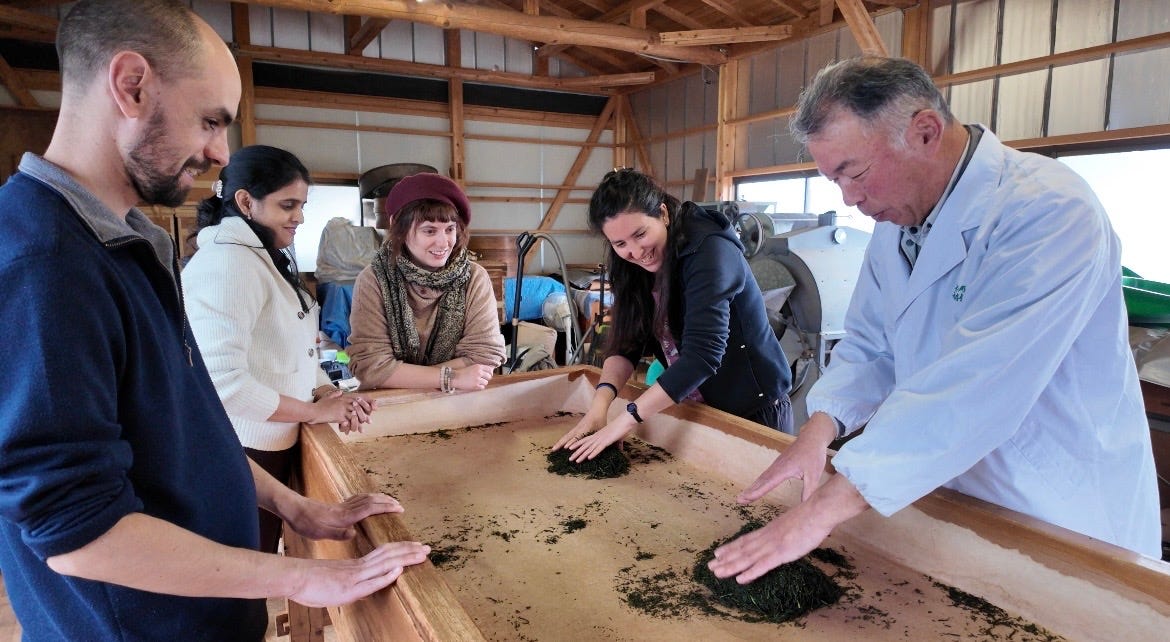
Award-winning tea masters.
Lacquer artists.
Sake breweries.
Shrines hidden deep in the mountains…..
More than anything, Hitamichi is my attempt to preserve and share the stories, people, and culture I’ve come to deeply care about here in rural Japan.
About Hitamichi Tea
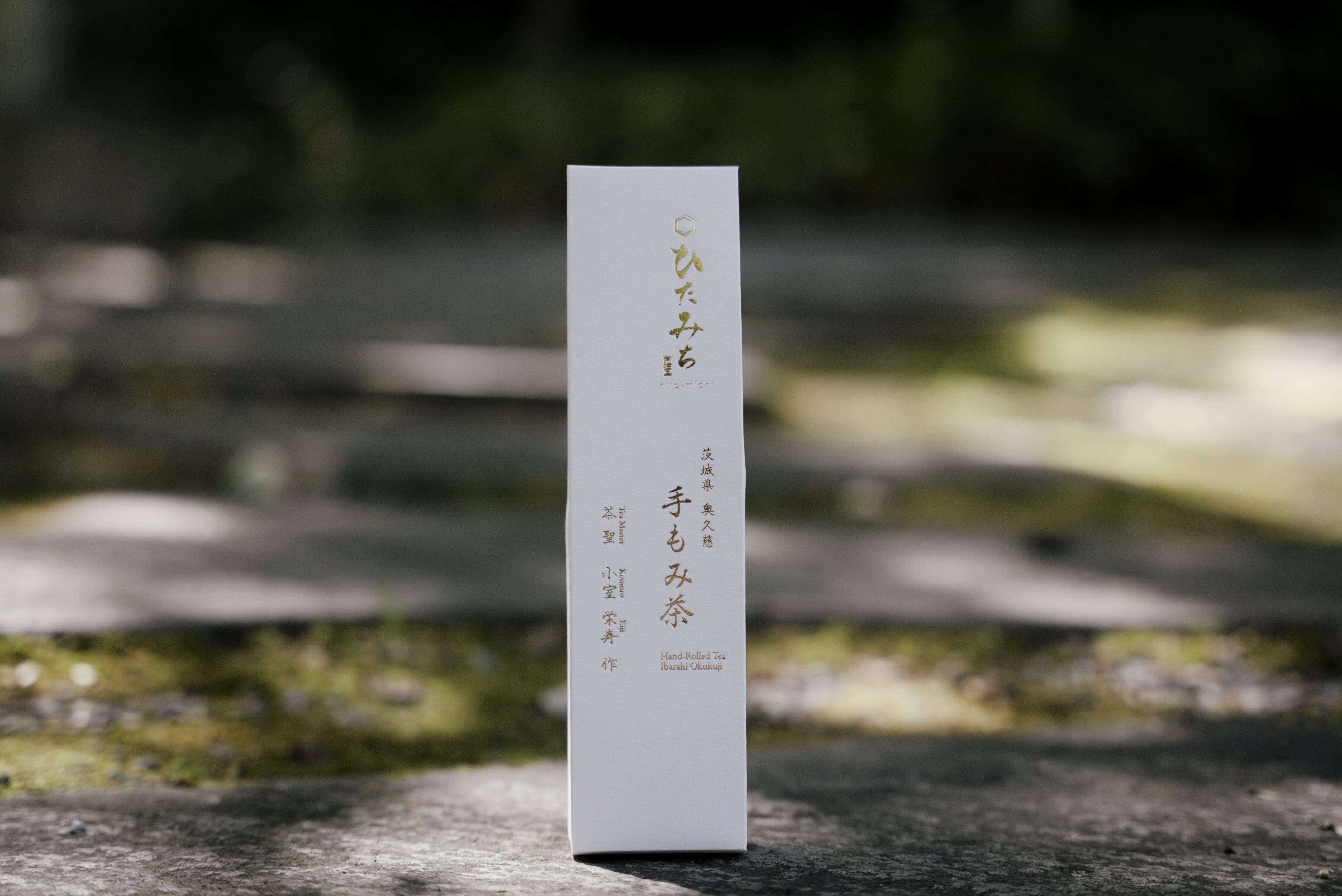


Before Hitamichi became focused on cultural experiences and travel, it first began through working closely with Komuro-san, a national and world award-winning tea master based in Ibaraki.
As I spent more time around his tea fields, I started learning not only about tea itself, but also about the realities surrounding tea farming in rural Japan. Aging farmers, declining demand, labor-intensive work, and traditions at risk of disappearing. Almost everyone living in the Sanuki area of Daigo town used to make teas, but now, there’s only less than 20 active farmers.
That relationship eventually led to Hitamichi Tea, where we try to support more sustainable tea farming through storytelling, branding, and direct collaboration.
Today, we help with tea field work and harvest preparation, assist with rebranding and sharing the stories behind the tea, and purchase tea at prices higher than the normal market rate as a way of giving back to the kindness, and trying to create a more sustainable future for the next generation of tea culture.
We feel incredibly fortunate that Komuro-san trusts us to bring guests for private hand-rolling tea experiences and allows us to sell his precious hand-rolled tea, something that is rarely available on the market.
More than simply selling tea, Hitamichi Tea has become a way for me to better understand the people, labor, and traditions behind every cup.
What I Write About
Through this newsletter, I write about:
Japanese tea farms and tea culture
Life in rural Ibaraki
Artisans and local communities
The emotional reality of building a business
Traditions at risk of disappearing
and the small everyday moments that make this life meaningful
Lately, my days have been filled with helping tea farmers prepare for harvest season, visiting craftsmen hidden deep in the mountains, organizing cultural experience tours, and constantly questioning whether what I’m trying to build will actually work.


Some days feel exciting.
Other days feel uncertain and overwhelming.
But maybe that’s also part of why I wanted to start writing here.
I don’t want this to be a perfectly curated version of rural Japan. I want it to be an honest one. A place to document not just the beauty of Japanese culture, but also the labor, emotions, people, and realities behind it.
If any of this resonates with you, I’m really glad you’re here.
Hope you enjoy!
With love from Ibaraki, Japan 🌿
Rina
P.S. Please feel free to say hello anytime. I’d genuinely love to connect with people who care deeply about culture, craftsmanship, slow living, or preserving something meaningful in their own way.
This article was taken from the About tab of my substack website
I love this and look forward to reading and learning more. Thanks for sharing your story and vision :)
I love this Rina. It's so important to document these traditions and knowledge. I'm excited to follow along your path!